


STAKEHOLDER CONSULTATIONS KEY TO BUILDING A SUSTAINABLE AND EQUITABLE PENSION SYSTEM
Government says the ongoing stakeholder consultations on Pension Reforms mark a critical step in the reform process, as they provide an opportunity to refine the proposed amendments, ensure inclusiveness, and build a shared vision for a sustainable and equitable pension system for all.
Muchinga Province Permanent Secretary, Reverend Mathews Chilekwa, says the wide consultative process is not only good practice but also a legislative imperative for reforms of this nature.
Reverend Chilekwa said the proposed Bills the National Pension Scheme Bill of 2025, the Public Service Pensions Fund Bill of 2025, and the Local Authorities Superannuation Fund Bill of 2025 are intended to address the various challenges and gaps in pension funds, based on insights and lessons learned from implementing the current laws governing pension schemes.
He said this in a speech read on his behalf by Muchinga Province Deputy Permanent Secretary, Mr. Brian M. Sichande, during the ongoing stakeholder consultative meeting on Pension Reforms in Chinsali District on 12th December 2025.
Reverend Chilekwa explained that among the key issues the Bills aim to address are low coverage, inadequate benefits, unsustainable funding models, and disparities across pension schemes contrary to the principles underpinning the determination of emoluments, including pension benefits as defined by the Constitution.
He added that the Steering Committee will ensure that the principles of affordability, adequacy, and sustainability are applied across all pension schemes to promote harmonization, fairness, and equity in the conditions of service for all public sector employees.
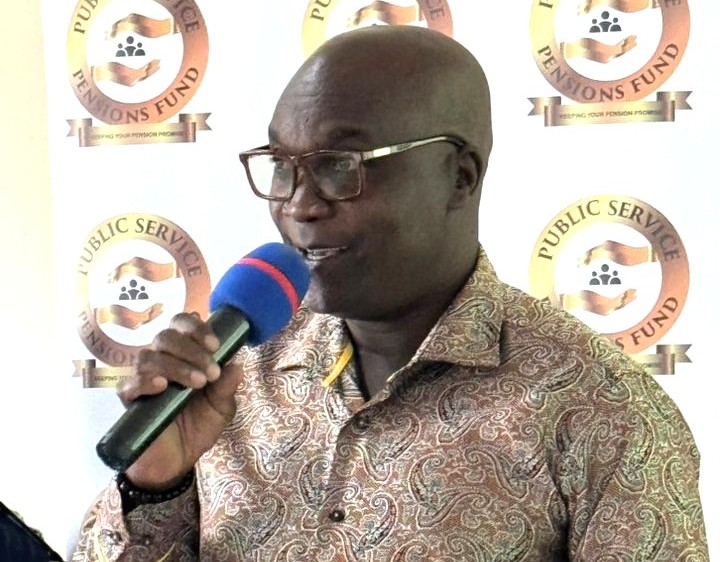
Speaking during the same meeting, Public Service Pensions Fund (PSPF) Chief Executive Officer, Mr. Francis Pindani Nyirenda, gave an overview of the key provisions contained in the three draft Bills for PSPF, NAPSA, and LASF.
Mr. Nyirenda, who is also a member of the Pension Reforms Steering Committee, explained that gaps were identified in the public pension schemes, making reforms inevitable to enhance equity and fairness in the pension benefits received by public service workers upon retirement.